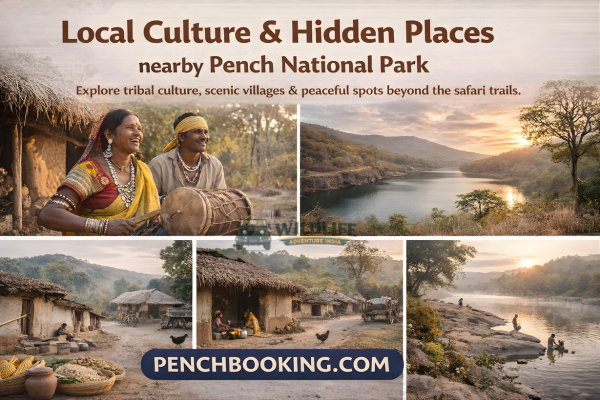
Pench National Park is globally admired for its thriving wildlife, especially tigers, leopards, and diverse bird species. However, beyond the safari trails lies a culturally rich region shaped by indigenous communities, age-old traditions, and unexplored natural beauty. Understanding Pench National Park culture allows travelers to experience the destination beyond wildlife sightings and connect with the human stories that have evolved alongside the forest for centuries.
Exploring Pench hidden places and culture near Pench adds depth, authenticity, and meaning to any visit. This article takes you deep into the traditions, lifestyle, food, festivals, and lesser-known attractions that together define Pench tourism in its truest form.
Understanding the Cultural Roots of Pench National Park
The cultural identity of Pench National Park is deeply intertwined with the forest ecosystem. Long before the area was declared a protected reserve, indigenous communities lived here in harmony with nature. Their knowledge of wildlife behavior, seasonal cycles, and forest resources continues to influence conservation practices even today, making Pench National Park culture unique and deeply sustainable.
Indigenous Tribes and Forest Life
The Gond, Baiga, and Korku tribes are the primary indigenous communities living around Pench National Park. These tribes follow a forest-centric lifestyle, depending on nature for food, medicine, and livelihood. Their traditions emphasize coexistence rather than exploitation, reflecting a deep spiritual bond with trees, animals, rivers, and land. This relationship forms the foundation of Pench local culture and highlights why tribal wisdom remains essential to forest conservation.
Traditional Housing, Clothing & Daily Life
Villages near Pench National Park showcase simple yet climate-adaptive architecture. Houses are built using mud, bamboo, cow dung, and locally sourced wood, keeping interiors cool during harsh summers. Clothing is functional and symbolic; women wear colorful sarees paired with handmade jewelry, while men prefer cotton dhotis or shirts. Daily life revolves around farming, cattle rearing, forest produce collection, and community cooperation, offering visitors a true glimpse into culture near Pench.
Folk Arts, Music & Tribal Celebrations
Art and performance are not recreational activities in Pench’s tribal communities; they are expressions of identity, belief, and storytelling. Folk music and dance has preserved history or moral value or celebrated nature. These traditions are passed orally from one generation to another, making them living elements of Pench National Park culture rather than museum artifacts.
Music and Dance Traditions
Traditional music near Pench uses natural instruments such as dholak, mandar, bamboo flutes, and metal percussion. Dances like Karma and Saila are performed during festivals, marriages, and harvest celebrations. The songs often narrate stories of forests, animals, gods, and ancestral heroes, making them a powerful cultural medium that reflects the rhythm of life in Pench local culture.
Festivals Near Pench National Park
Festivals around Pench are closely linked to agriculture, monsoon cycles, and forest worship. Hareli celebrates farming tools and crops, while Polas honors cattle, acknowledging their importance in rural life. Even Diwali is observed differently, with rituals rooted in nature rather than commercial practices. These celebrations provide travelers a rare opportunity to witness authentic culture near Pench in its most vibrant form.
Local Cuisine: Forest-Inspired Flavors
Food is a vital reflection of Pench National Park culture, shaped by seasonal availability and forest resources. Meals are simple, nutritious, and cooked using traditional methods over wood fires. Millets, rice, lentils, forest vegetables, and herbs form the staple diet, promoting sustainability and health.
Role of Mahua and Forest Produce
Mahua flowers hold cultural, nutritional, and economic importance in villages near Pench. They are used to prepare sweets, fermented drinks, and ceremonial offerings. Other forest produce such as tendu leaves, wild honey, and medicinal herbs contribute to daily life. Tasting traditional food allows travelers to connect deeply with Pench local culture and rural heritage.
Hidden Places Near Pench National Park
While safaris attract most visitors, several serene and lesser-known attractions remain unexplored. These Pench hidden places offer peace, scenic beauty, and cultural insight, making them ideal for travelers seeking a slower, more meaningful experience beyond wildlife tourism.
Totladoh Dam – A Scenic Forest Retreat
Totladoh Dam, located near the Pench Tiger Reserve boundary, is a visually stunning yet underrated destination. Surrounded by forested hills and calm waters, the dam offers breathtaking sunrise and sunset views. It is ideal for birdwatching, photography, and quiet reflection, making it one of the most peaceful Pench hidden places.
Pench River Banks & Rural Ghats
The Pench River is not only ecologically important but also culturally significant. Villagers depend on it for daily needs, rituals, and fishing. Early morning visits reveal a calm rural rhythm where life flows in harmony with nature. These riverbanks beautifully represent Pench National Park culture and traditional human-nature coexistence.
Traditional Villages Around Pench
Villages surrounding Pench National Park remain largely untouched by urbanization. Walking through these settlements allows visitors to observe traditional farming, bullock carts, handcrafted tools, and organic lifestyles. Guided village tours encourage responsible Pench tourism while offering authentic cultural interaction without disturbing local life.
Forest Trails & Buffer Zones
The buffer zones around Pench National Park are rich in biodiversity and community activity. These areas support grazing, minor forest produce collection, and birdlife. Exploring forest trails provides insight into conservation efforts and showcases how communities balance livelihood needs with wildlife protection, reinforcing the essence of culture near Pench.
Handicrafts & Sustainable Livelihoods
Handicrafts made from bamboo, wood, and natural fibers form an important income source for local communities. Items like baskets, mats, farming tools, and tribal jewelry reflect creativity rooted in tradition. Supporting these crafts directly contributes to cultural preservation and strengthens sustainable Pench tourism.
Responsible Cultural Tourism Near Pench
As tourism grows, respecting local traditions becomes essential. Visitors should dress modestly, seek consent before photography, and avoid disrupting daily routines. Choosing eco-friendly stays and local guides helps protect Pench local culture while ensuring tourism benefits reach grassroots communities.
Frequently Asked Questions (FAQ)
Q1. What makes Pench National Park culture unique?
Pench National Park culture is unique because it is deeply influenced by indigenous tribes like Gond and Baiga who have lived in harmony with the forest for generations. Their traditions, festivals, food habits, and nature-based beliefs reflect a sustainable lifestyle that respects wildlife and natural resources.
Q2. Which are the best Pench hidden places to explore?
The best hidden locations in Pench National Park include Totladoh Dam and the serene riverbanks of the Pench River and the traditional villages which surround the park and the forest buffer zones.
Q3. Can tourists experience local culture near Pench National Park?
Tourists can experience local culture in Pench through three activities which include guided village walks, interactions with tribal communities, traditional food experiences and local festival participation. The eco-resorts design cultural programs which enable visitors to learn about Pench local culture through safe and appropriate methods.
Q4. How does local culture contribute to Pench tourism?
The tourism industry in Pench depends on local culture to create authentic and diverse travel experiences. Cultural tourism enables local communities to earn income while safeguarding their traditional wisdom and promoting environmentally friendly travel methods that support both their communities and nature protection efforts.
Q5. Is it safe and appropriate to visit villages near Pench National Park?
The villages neighboring Pench National Park become safe and hospitable for visitors who conduct their activities in a responsible manner. The local customs need to be respected by travelers, who should refrain from taking intrusive photographs and should choose local guides for their exploratory activities to maintain cultural understanding and develop genuine connections.
Conclusion
Pench National Park serves as a wildlife destination which also functions as a dynamic cultural environment that develops through its natural elements and its indigenous communities and their cultural practices. The cultural experience of Pench National Park, together with its secret locations and its traditional local customs, creates a valuable authentic experience for every visitor.
The area surrounding Pench contains various cultural elements, which include tribal festivals and forest cuisine and scenic dams and peaceful villages to complete the exceptional narrative of the region. The practice of cultural exploration helps maintain responsible tourism in Pench while protecting the fundamental essence of Pench National Park for upcoming generations.