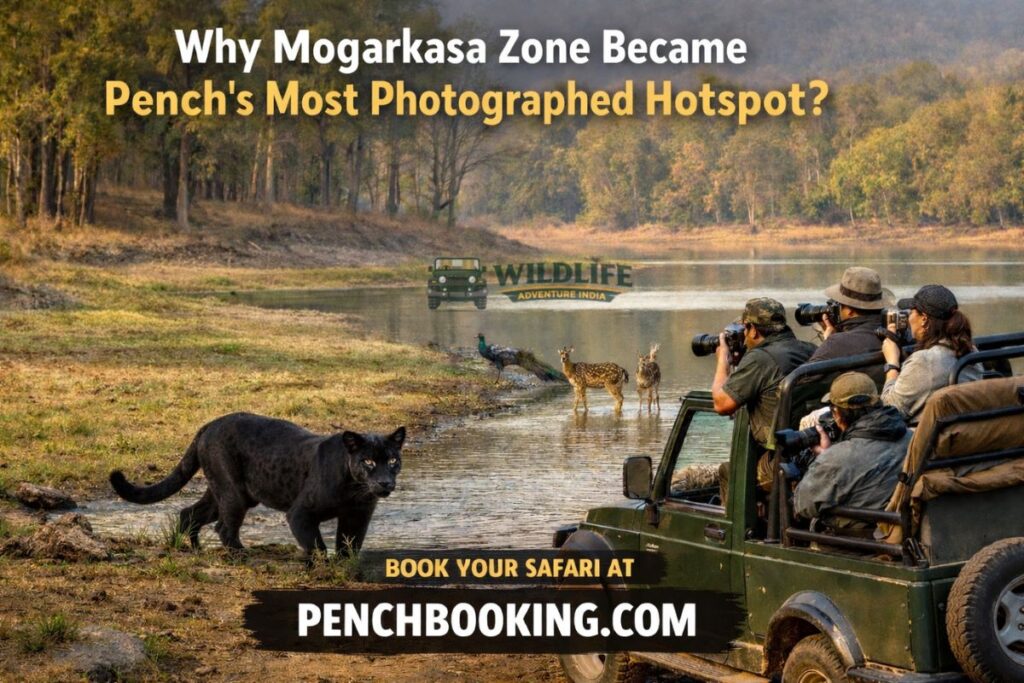
The Mogarkasa Zone which exists outside the Pench Tiger Reserve boundaries has developed into one of India’s most popular wildlife photography sites by the year 2026. The Mogarkasa forest area which used to be an unknown patch of land has now become a popular destination for photographers and wildlife enthusiasts to choose for their activities. Through this research we will show what makes Mogarkasa popular among photographers by combining ecological research and tourist growth and the strong visual elements which have established this area as a popular destination.
Understanding Mogarkasa: A Forest with a Story
To understand Mogarkasa’s present attraction, we need to know its historical background. The government established the Mogarkasa-Mangarli Conservation Reserve as a protected area on 10 October 2022, which encompasses 10,392 hectares of land (approximately 103.92 square kilometers). The core safari zone, which opened to visitors on 2 October 2024, includes almost 45.7 square kilometers of territory that serves as an unspoiled wildlife sanctuary.
Mogarkasa existed as an undisturbed forest site before it became a conservation center. The establishment of Conservation Reserve status for the area brought a major change which benefited both wildlife preservation and increased visitor interest. The forest, which used to be familiar to people has become a lively outdoor area where nature is shown in beautiful and eye-catching ways
What Makes Mogarkasa a Wildlife Photography Magnet?
Wildlife photographers don’t just follow animals — they look for unique stories, rare moments, surprises, and a close connection with nature. Mogarkasa delivers all of these, and more.
1. A New Frontier with High Wildlife Activity
The Mogarkasa area presents a different experience compared to traditional safari zones of Pench which include Turia and Karmajhiri and Jamtara. The diverse landscape provides photographers the opportunity to capture two distinct scenes which show hidden predators in dark forests and animal herds moving through open fields.
Even big cats like tigers have established territories here. In fact, Mogarkasa is home to at least five resident tigers: two adult males, a tigress, and two cubs. Such natural, non-translocation sightings excite photographers who want genuine, behavioural shots rather than chance glimpses.
2. Rare Sightings That Get Everyone Talking Online
The opportunity to observe uncommon animal behaviors serves as the main attraction that drives photographers to this location. The recent black leopard (melanistic leopard) sightings in the Mogarkasa area have created a significant impact on both enthusiasts and experts in the field. The sightings, which represent a rare occurrence in India, create exceptional photography chances that increase Mogarkasa’s attractiveness as a destination beyond ordinary safari sites.
The extraordinary animal sightings create excitement for travelers which they share across YouTube platforms and wildlife forums while generating social media buzz that attracts photographers who want to record the next exceptional moment.
3. Less Crowded, More Authentic Experiences
One common frustration among wildlife photographers in long-established zones — particularly in Pench’s core areas — is crowding. Certain safari gates restrict the number of vehicles, but popular sectors like Touria often still see heavy demand.
The recent establishment of Mogarkasa together with its extensive safari area results in reduced vehicle traffic and generates lower levels of sound and human activity. Photographers experience better shooting conditions because they can wait longer for animals to display their natural behavior while taking photos of natural, honest moments that tell real stories.
4. Different Landscapes and Natural Lighting
Photographers are always focused on light. How the land, hills, and golden hour sunlight come together changes the feeling of a photo. Mogarkasa’s mix of teak forests, open clearings, streams, and seasonal waterholes creates a constantly changing scene for photography. These different settings give photographers many options, from close-up shots of animals to wide views of the landscape in morning or evening light.
Expert Opinions and Local Perspectives
Many wildlife guides and tracking experts say Mogarkasa is special because of its important ecosystem and remote location. They explain that the area connects the Pench Tiger Reserve with other forests, like the Pench Navegaon Nagzira corridor. This connection helps animals move around and mix, which leads to more and different animal sightings.
Behind the Lens: What Photographers Are Actually Capturing
In 2025 and 2026, footage of black leopard sightings and tiger family interactions began circulating on platforms like YouTube, Instagram, and photography forums. Favorable review channels highlight Madagascar’s potential 85% tiger sighting success rate in peak months when guided by experienced naturalists — a statistic frequently quoted by safari operators.
Professional photographers appreciate guides who know animal habits very well. This helps photographers predict how animals will move and behave, turning an ordinary safari into an amazing photography experience.
Planning Your Visit: Tips for Wildlife Photographers
The 2026 wildlife photography trends in India show that planning is important. Here are some tips for photographers visiting Mogarkasa:
- Book safaris well in advance, especially around peak seasons (October to March). Safaris in Pench often sell out quickly.
- Pick morning and evening slots for the best light and animal movement — these golden hours are when wildlife is most active and lighting is most dynamic.
- Work with experienced guides who know the terrain and animal behaviour patterns — this increases your chances of meaningful sightings.
Rules about cameras and drones are strict to protect wildlife and keep the area peaceful.
Where is Mogarkasa Zone located?
Mogarkasa Zone is part of the buffer landscape of Pench Tiger Reserve, on the Maharashtra side of the Pench forest region. It falls under the Mogarkasa–Mangarli Conservation Reserve and was opened for safari tourism in 2024.
Its location near important wildlife corridors makes it a dynamic zone for tiger and leopard movement.
Planning a safari? Don’t miss our complete guide to Mogarkasa’s Black Leopard zone.
Why has Mogarkasa become Pench’s most photographed hotspot?
By 2026, Mogarkasa gained popularity because of:
- Active tiger territories and family sightings
- Reports of rare black colored leopard sightings
- Fewer safari vehicles compared to older zones
- Diverse landscapes ideal for wildlife photography
Photographers are especially drawn to “less crowded safari zones in Pench” where they can capture more natural animal behaviour.
What animals can visitors expect to see in Mogarkasa?
Mogarkasa is known for sightings of:
- Bengal tigers
- Leopards
- Sloth bears
- Wild dogs (dhole)
- Spotted deer and sambar
- Rich birdlife
Because the zone connects to larger forest areas within Pench National Park, wildlife movement is frequent and varied.
What is the best time to visit the Mogarkasa Zone for photography?
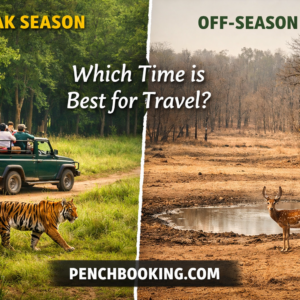
The ideal time is October to March, when the weather is pleasant and wildlife activity is high.
For higher chances of predator sightings near water sources, April to June can also be rewarding, though temperatures are much hotter. Morning and evening safaris offer the best natural light for photography.
How can I book a safari in the Mogarkasa Zone?
Safaris must be booked through our website – https://penchbooking.com/gypsy-booking
It’s advisable to:
- Book in advance during peak season
- Carry valid ID proof
- Confirm camera rules and safari timings beforehand
Planning ahead ensures a smooth and rewarding wildlife photography experience.
FAQ
It lies in the buffer landscape of Pench Tiger Reserve on the Maharashtra side.
Because of active tiger territories, reported black leopard sightings, fewer safari vehicles, and scenic forest landscapes.
Bengal tigers, leopards, sloth bears, wild dogs (dhole), deer species, and diverse birdlife.
October to March for comfortable weather. April to June is good for predator sightings near waterholes.
Both are good, but morning safaris often offer softer light and active wildlife movement.
Conclusion
In 2026, Mogarkasa Zone shows how careful conservation, smart eco-tourism, and rich wildlife can turn a quiet forest into a top place for wildlife photography. With more tiger activity, rare sightings like black leopards, varied landscapes, and fewer safari vehicles, it offers photographers real, immersive experiences. Unlike the crowded routes in Pench Tiger Reserve, Mogarkasa gives photographers something rare — space, surprises, and true moments in the wild. Its popularity is not just about striking photos; it shows a trend toward new, sustainable wildlife spots where nature feels untamed and stories naturally happen in front of the camera.