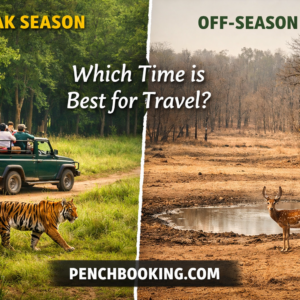

The monsoon season, from July to September, turns the forest into a green and beautiful place. Heavy rains fill streams and waterholes, making the land fresh and lively. This is the best time for people who love nature, taking photos, and watching birds to see the forest full of life.
However, travelers need to understand that most core safari zones remain closed during this season due to safety concerns. Roads and forest trails become slippery, and visibility reduces during heavy rains. But all is not lost. Certain buffer zones remain open, offering a safe and memorable monsoon safari experience.
Why Core Safari Zones Close During Monsoon
During the rainy months, most main safari areas are closed for several important reasons:
- Safety Concerns: Slippery and muddy forest roads increase the risk of vehicles getting stuck or accidents occurring.
- Wildlife Protection: The rainy season is when animals have their babies, nesting seasons, so people should not disturb them.
- Reduced Visibility: Heavy leaves and heavy rain make it hard to see animals, so safaris are less enjoyable.
- For these reasons, core safari gates such as Turia, Jamtara, and Karmajhiri remain closed throughout the monsoon. Visitors looking for big cat sightings are advised to plan trips post-monsoon, usually after October.
Buffer Safari Zones – The Monsoon Alternative
Buffer zones are outer parts of the park that stay open during the rainy season. They are a safe way for visitors to enjoy the jungle in the monsoon.
Advantages of Buffer Zone Safaris
- These areas are easier to reach during the monsoon because the roads are kept in good condition.
- Buffer zones offer opportunities to see herbivores, birds, and smaller mammals, which are easier to spot near waterholes.
- Visitors can enjoy peaceful trails and lush greenery, often without the crowds seen in peak season.
How Buffer Safaris Operate
- Safaris depend on the weather; heavy rains may temporarily suspend operations.
- Only licensed safari vehicles and experienced guides are allowed on trails.
- Routes may be modified based on rainfall and safety conditions.
- These safaris are ideal for photographers, birdwatchers, and nature lovers who want a unique monsoon experience.
Buffer Zones That Remain Open During Monsoon in Madhya Pradesh
Although the main safari areas are closed, several buffer zones allow safari operations under controlled conditions:
- Teliya Zone: One of the most accessible buffer areas, known for rainforest scenery and wildlife near waterholes.
- Rukhad Zone: Popular for open tracks and frequent herbivore sightings.
- Khawasa Zone: known for its beautiful paths and good chances to see animals like deer and tigers.
- Other Outer Paths: Occasionally, forest authorities open lesser-known trails or village-side routes that are safer for rainy season jeep safaris.
These zones provide a perfect alternative for tourists seeking monsoon jungle tours, even when central safari gates are closed.
You can Explore Pench Safari Zones
Safari Booking Tips During Monsoon
To make the most of a buffer safari in the rainy season, careful planning is essential:
- Book Early: Slots are limited since only some zones are open and safety is important.
- Check Daily Weather: Safari availability depends on rainfall and road conditions.
- What to Pack: Bring waterproof clothes, sturdy shoes, camera rain covers, water bottles, and mosquito repellent.
- Confirm Safari Timings: Even buffer zone safaris can be canceled or rescheduled depending on rainfall.
What to Expect on a Monsoon Safari
A monsoon safari is a special and magical experience, even though the main safari areas are mostly closed:
- Lush Greenery: The forests are very green, making them perfect for taking nature photography.
- Active Birdlife: Migratory birds and local species are more visible, making it a great time for birdwatching.
- Wildlife Near Waterholes: Herbivores and smaller mammals congregate near streams and ponds, increasing spotting chances.
- Quiet Experience: With fewer visitors, buffer zones let you enjoy the jungle peacefully.
- Rainy Season Flora: Fresh leaves, blooming plants, and flowing water create beautiful and amazing views.
Seasonal Tips for Visitors
The main safari zones are closed from July to September and usually reopen in October, when the trails are dry and safe. During the monsoon:
- Buffer zones are open, but forest staff check them every day.
- Roads can be tricky, so safari timings may change.
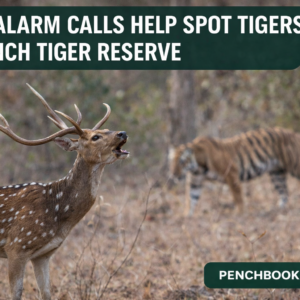
- Wildlife acts differently: predators like tigers are harder to spot, but herbivores are more active near water.
Planning your trip with these points in mind will help you see more animals and enjoy the green monsoon forest safely.
Check Out the Pench Safari Season Guide
Wildlife Highlights During Monsoon
Even with limited access, the monsoon season offers special wildlife experiences:
- Birdwatching Paradise: Many migratory species and colorful forest birds can be seen.
- Herbivore Activity: Deer, sambar, and wild boars are often visible near streams and open areas.
- Smaller Mammals: Monkeys, civets, and other shy or nocturnal animals are easier to spot near water.
- Photography Opportunities: Foggy, rain-soaked forests, and fresh green leaves make perfect scenes for photos.
Monsoon safaris are great for nature lovers, photographers, and eco-tourists who want a quiet and green jungle experience.
Frequently Asked Questions (FAQ)
Yes — buffer zones remain open, but core zones are closed to protect wildlife and visitors. Safari operations depend on weather and road conditions.
Some buffer zone safaris can be booked online, but slots may be limited. Local forest offices give the latest information.
Core zones typically reopen around October, when trails are safe and wildlife sightings improve.
Yes. Although big cat sightings are rare, herbivores, smaller mammals, and birds are more active, especially near water sources.
Essentials include waterproof clothing, sturdy shoes, rain covers for cameras, mosquito spray, and bottled water.
During the rainy season, it’s hard to see predators because they stay hidden. You are more likely to see herbivores and birds.
Conclusion
The monsoon season offers a unique jungle experience, even though the main safari areas are closed. Buffer zones provide safe, lush, and vibrant wildlife tours that are perfect for birdwatchers, photographers, and nature enthusiasts.
Visitors can enjoy quiet walking paths, lots of green plants, friendly animals, and beautiful views, all without the busy crowds of the dry season. By planning carefully, pench safari booking in advance, and following safety guidelines, a monsoon safari in buffer zones becomes a memorable adventure.
If you love green scenery, seeing animals during the rainy season, or taking peaceful photos, a rainy season safari is the best way to enjoy the forest at its most beautiful.