
Pench National Park, located in Madhya Pradesh, India, is not only a sanctuary for wildlife but also a source of literary inspiration. Famously known as the backdrop for Rudyard Kipling’s The Jungle Book, Pench National Park has fascinated generations with its rich forests, diverse wildlife, and captivating stories of the jungle. This article explores why Pench wildlife and the park’s landscapes inspired one of the most beloved works of fiction, connecting history, ecology, and the magic of the wild.
Introduction to Pench National Park
Pench National Park, a Tiger Reserve in India, stretches over 292 square kilometers in the Satpura-Maikal mountain ranges. Named after the Pench River that meanders through the forest, the park was officially declared a national park in 1983 and became a tiger reserve in 1992 under Project Tiger.
Known for its dense sal forests, open meadows, and rich biodiversity, Pench National Park is home to tigers, leopards, sloth bears, wild dogs, and a variety of herbivores. Birdwatchers also flock to the park to spot over 200 species of birds. Its pristine landscapes and abundant wildlife make it a perfect representation of the “jungle” that Kipling immortalized in his stories.
Pench Wildlife: The Heart of The Jungle Book Inspiration
One of the main reasons Pench National Park inspired Kipling’s The Jungle Book is its rich Pench wildlife. The park’s ecosystem offers a vivid tapestry of animal life, where predators, prey, and birds coexist in a natural rhythm.
Iconic Tigers of Pench
Tigers are undoubtedly the most famous inhabitants of Pench. The park is a designated Tiger Reserve in India, providing a safe habitat for these majestic big cats. Tigers such as Machli and Baras have inspired countless stories, much like Kipling’s Shere Khan. The dense forests, tall grasses, and waterholes create ideal conditions for tigers to hunt and thrive—scenes that Kipling could have vividly imagined in his jungle tales.
Diverse Mammals and Birdlife
Beyond tigers, Pench is home to leopards, jackals, wild dogs, and sloth bears. Herbivores like sambar, chital, nilgai, and barasingha roam freely. The interplay between predator and prey forms natural narratives of survival, courage, and cunning—core themes of The Jungle Book.
Birds like kingfishers, Indian pittas, and Malabar pied hornbills add color and sound to the jungle, creating a sensory experience that could easily spark a writer’s imagination. Kipling himself spent considerable time observing nature in India, and the rich biodiversity of Pench National Park would have offered the perfect inspiration for his characters and stories.
Landscapes That Brought The Jungle to Life
Pench National Park’s landscapes are another key reason it inspired Kipling. The park is a mix of dense forests, open meadows, hills, and rivers. This combination provides a vivid backdrop for storytelling.
- Sal forests: These dense groves form the jungle canopy, giving a sense of mystery and shelter to wildlife.
- Grasslands and meadows: Open areas allow for dramatic predator-prey interactions, mirroring scenes from The Jungle Book.
- Rivers and waterholes: The Pench River and smaller streams are vital to the ecosystem and create serene yet dynamic settings for jungle tales.
The park’s natural beauty and dramatic terrain create a sense of adventure, danger, and wonder—exactly the qualities needed for the fictional jungle where Mowgli grew up.
Historical Connection to Rudyard Kipling
Rudyard Kipling, a British author and poet, visited central India in the late 19th century. While it is not officially documented that Kipling stayed in Pench, the forests of the region are widely acknowledged to have influenced his depiction of the jungle. The diversity of wildlife, natural interactions, and forest life that Pench offers matches the detailed descriptions found in his stories.
The Jungle Book characters, such as Shere Khan (the tiger), Bagheera (the black panther), and Baloo (the bear), mirror the wildlife seen in Pench. Observing the behavior of these animals in their natural habitat likely inspired Kipling’s vivid storytelling, blending realism with imagination.
Conservation Legacy of Pench National Park
Today, Pench National Park is more than a literary muse; it is a critical Tiger Reserve in India. The park plays a pivotal role in conserving endangered species, protecting habitats, and maintaining ecological balance. Wildlife enthusiasts, researchers, and eco-tourists come to Pench to experience the magic of its forests and observe the animals that inspired timeless stories.
Pench also offers eco-friendly tourism through carefully managed safaris. Jeep and gypsy safaris allow visitors to explore core zones, spot tigers, and witness predator-prey dynamics—much like the wild scenes Kipling described.
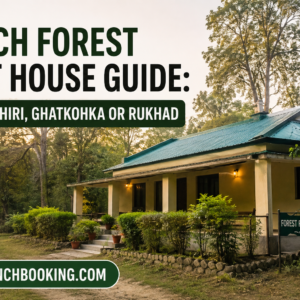
From eco-lodges and jungle resorts to government forest rest houses, visitors can choose a stay at Pench National Park that fits their comfort and budget.
Visiting Pench National Park
For travelers, Pench National Park provides a blend of adventure, education, and relaxation. Key tips for a memorable visit include:
- Best time to visit: November to June, when wildlife sightings are more frequent.
- Safari zones: Pench is divided into multiple zones for organized wildlife exploration.
- Accommodation: From eco-lodges and jungle resorts to government forest rest houses, visitors can choose a stay that fits comfort and budget.
- Wildlife etiquette: Respecting animal habitats and following park rules ensures safety and conservation.
Exploring Pench offers a chance to step into the world that inspired one of the greatest stories ever told about the jungle.
Uncover the real Jungle Book inspiration Kanha vs Pench. Read the full comparison here.
Frequently Asked Questions (FAQ)
Q1. Why is Pench National Park famous?
Pench is famous for its rich wildlife, especially tigers, and as the inspiration for Rudyard Kipling’s The Jungle Book.
Q2. Is Pench a Tiger Reserve in India?
Yes, Pench became a Tiger Reserve in 1992 under Project Tiger to protect tigers and their habitat.
Q3. What kind of wildlife can I see in Pench?
Visitors can spot tigers, leopards, wild dogs, sloth bears, sambar, chital, barasingha, and over 200 bird species.
Q4. When is the best time to visit Pench National Park?
The ideal time is November to June when animals are more active and sightings are frequent.
Q5. Are there accommodations inside Pench National Park?
Yes, there are eco-lodges, jungle resorts, and government rest houses near or inside the park for visitors seeking a wildlife experience.
Conclusion
Pench National Park is more than just a wildlife sanctuary; it is a living, breathing inspiration behind The Jungle Book. With its rich Pench wildlife, dramatic landscapes, and thriving tiger population, the park embodies the essence of the jungle that Rudyard Kipling brought to life in literature.
As a Tiger Reserve in India, Pench continues to protect endangered species while allowing visitors to immerse themselves in its natural beauty. Whether you are a wildlife enthusiast, a Kipling fan, or a curious traveler, visiting Pench National Park offers a glimpse into the real jungle that inspired one of the world’s most famous stories.